GET UPDATES


In July 2022, residents began moving into Ascent, a 25-story apartment tower on North Van Buren Street in Milwaukee. The Council on Tall Buildings and Urban Habitat certified it as the tallest timber building in the world, and the U.S. Forest Service called its opening a milestone for wood construction in America.
The spruce columns and beams carrying its 259 apartments were made by Wiehag, a family-owned manufacturer in Upper Austria, then shipped across the Atlantic in pieces. An American milestone had arrived with an Austrian forest story attached.
That was not an accident. For years, the publications, conferences, and case studies introducing developers and architects to mass timber had been filled with European projects. Austrian and Scandinavian producers had made their forests, factories, and technical expertise part of how the field understood the material.
The South had the wood. Its forests grow more timber each year than is harvested. But the region was largely absent from the examples and reputations shaping the American construction market.
This is part of a larger problem for Southern forests. People making decisions about materials, sourcing, development, infrastructure, and investment often see the product in front of them without seeing the forest system that produced it. Keeping Forests is working with partners to make that system visible beyond the forest sector and to put its value in front of the people whose choices influence demand.
Southern forests reach the wider world through scattered messages, if at all. A procurement manager may hear about forest carbon from one organization, certification from another, conservation from a third, and local sourcing from a supplier. Each message may be accurate. Together, they rarely provide a clear account of how the Southern forest system works or why its continued health matters.
The missing piece is often the forest economy itself.
About 86 percent of Southern forestland is privately owned. The region’s timber supply depends on thousands of landowners choosing to manage, harvest, and replant their forests rather than sell the land or convert it to another use. Markets for wood and fiber help make those decisions financially possible. When forestland can earn income as forestland, owners have a reason to keep it that way.
None of this is visible in the finished product. A white oak stave does not show the decades of management required to produce it. A cardboard box carries no obvious sign of the forests, landowners, mills, and replanting behind the fiber.
Economists call these credence attributes: qualities a buyer cannot confirm simply by examining a product, either before or after purchasing it. Without reliable evidence and a trusted source to explain the connection, those qualities have little influence on procurement, preference, or price.
Keeping Forests is working to give Southern forests stronger and more credible signals in the market.
Most people do not need a complete lesson in forestry. They need a few important facts that are still not widely understood:
Keeping Forests works with partners to connect those facts to decisions an audience is already making. For a packaging buyer, the relevant question may be the source and future availability of fiber. For an economic development leader, it may be the relationship between forests, manufacturing, water, and regional growth. The forest story changes depending on the product and the audience, but the underlying message about the importance of the Southern forest ecosystem does not.
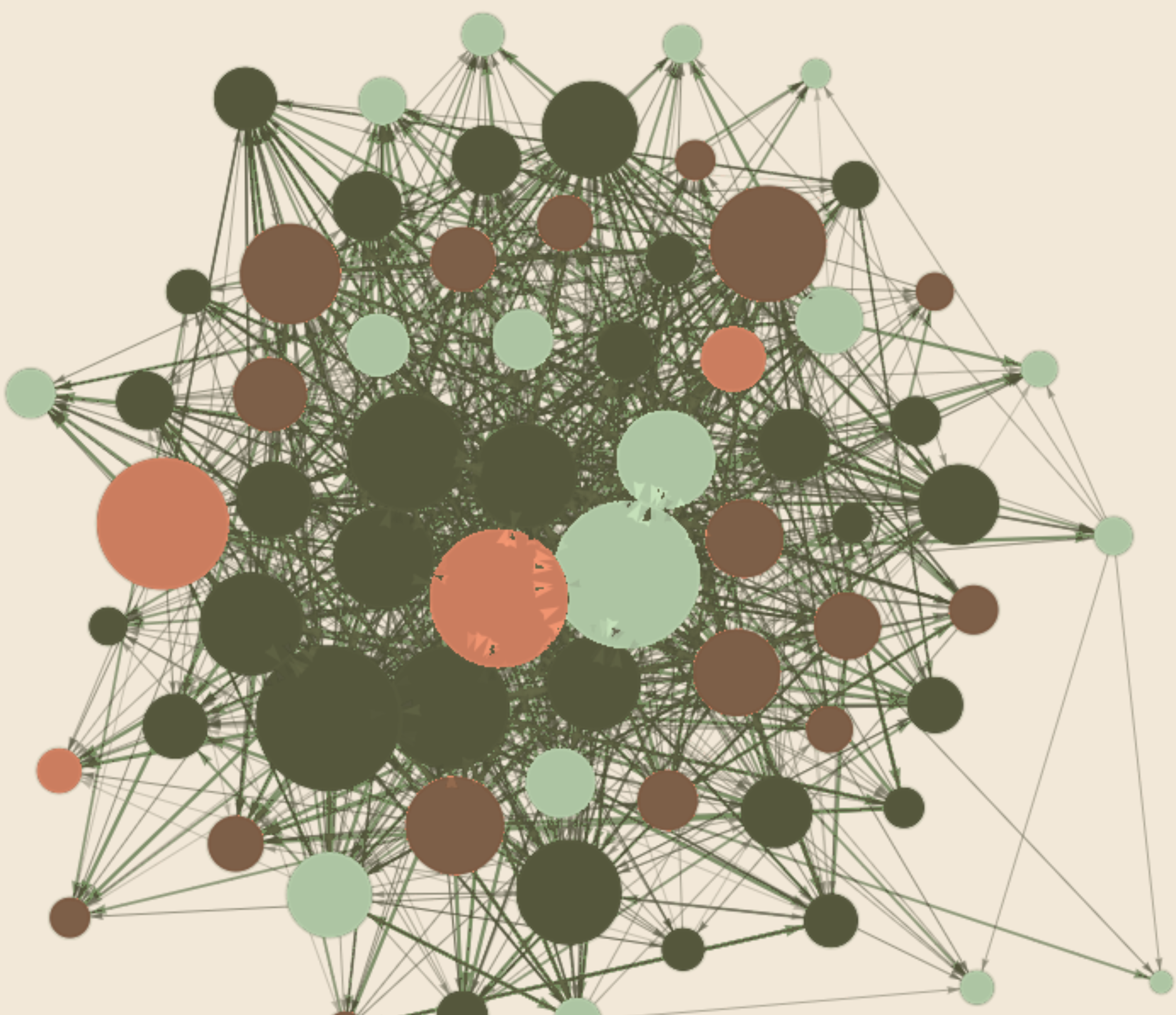
Who tells the story matters. Keeping Forests’ systems-mapping work reinforced that the messengers most capable of reaching new audiences will often be known for something other than forestry.
A bourbon company can explain why the future of its product depends on well-managed white oak forests. A packaging company can connect its fiber supply to the landowners growing and replanting Southern pine. Developers, manufacturers, utilities, and economic development leaders already have relationships with audiences the forest sector struggles to reach.
Keeping Forests helps these partners document the connection and explain it accurately. That may include case studies, films, data, sourcing information, or materials a company can use with its customers and within its own industry. The message carries more weight when it comes from an organization whose product or operations actually depend on the forest.
The work also has to appear where choices are being made. That could be a procurement discussion comparing fiber with plastic, a conversation about building materials, or a public decision involving water, energy, and development. Southern forests are often contributing to the product or outcome under consideration while remaining almost entirely absent from the discussion.
Keeping Forests cannot reach all of these audiences through its own communication. The strategy depends on collaboration with partners who can amplify the message through channels they already have.
A story developed with a company can appear at its industry events, in customer communications, in conversations with buyers, or alongside the product itself. Because the story explains the partner’s own supply chain or business, the company has a reason to keep using it after a Keeping Forests campaign ends.
That continued use is an important measure of success. The goal is to create material that remains useful enough for other organizations to repeat, adapt, and carry into places Keeping Forests could not reach alone.
Forests of the Future is the current campaign built around this approach. The video series, scheduled for release in 2027, begins with familiar products and benefits—bourbon, packaging, flooring, drinking water—and follows them back to the working forests and landowners that make them possible.
The films show where forests already appear in daily life, even when no one recognizes them as part of the product. They also show why economic activity and conservation outcomes are tied together in working forests. The same management that produces wood and fiber can support wildlife habitat, clean water, carbon storage, and the continued presence of forestland in a growing region.
The first film, produced with Buffalo Trace and the White Oak Initiative, connects the future of bourbon to the stewardship of working white oak forests. Five additional stories are now being filmed for release in 2027.
The films are meant to build on one another. White oak and bourbon establish one connection. Pine and packaging add another. Each story shows a different part of the same regional system.
Over time, the series will create a library that presents Southern forests not only as places to visit or protect, but as productive landscapes behind products, industries, and public benefits people rely on every day.
Southern forests are already present in the bourbon someone pours, the package left on a doorstep, the frame of a new house, and the water flowing from a tap. The landowner decisions behind those products and benefits are mostly invisible.
Keeping Forests wants companies, institutions, and trusted public voices to make those connections visible in the places where demand, investment, and public support are formed. Recognition alone will not resolve every pressure facing Southern forests. It can make the forest system harder to overlook when decisions are made about what to buy, where to invest, and which industries and landscapes are worth supporting.
Every building like Ascent has a forest story, whether anyone tells it or not. The South cannot assume that its forests and manufacturing base will speak for themselves. It has to become part of the stories shaping the market.
Sources: Ascent details (25 stories, 259 apartments, July 2022 opening, CTBUH world's-tallest-timber-building certification, Wiehag/Austria fabrication): Council on Tall Buildings and Urban Habitat; Dezeen, Aug. 3, 2022; U.S. Forest Service; Wiehag project records; Urban Milwaukee, July 20, 2022. Southern growth exceeding removals: USDA Forest Service, Forest Inventory and Analysis; National Report on Sustainable Forests, Indicator 2.13. 86 percent private ownership: USDA Forest Service [from KF deck; confirm exact FIA citation before publish].
Sources: Ascent details (25 stories, 259 apartments, July 2022 opening, CTBUH world’s-tallest-timber-building certification, Wiehag/Austria fabrication): Council on Tall Buildings and Urban Habitat; Dezeen, Aug. 3, 2022; U.S. Forest Service; Wiehag project records; Urban Milwaukee, July 20, 2022. Southern growth exceeding removals: USDA Forest Service, Forest Inventory and Analysis; National Report on Sustainable Forests, Indicator 2.13. 86 percent private ownership: USDA Forest Service.

Enter your email to access the brief.
Thank you for your interest in Keeping Forests. You can access the brief below.
DOWNLOAD THE BRIEF